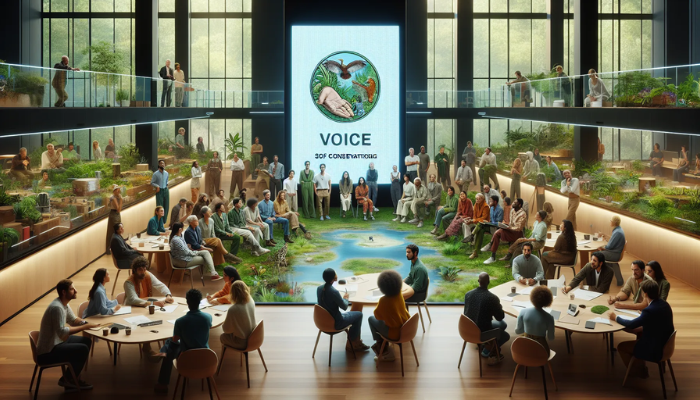
In today’s digital age, environmental awareness is no longer limited to classrooms, documentaries, or community campaigns. Platforms and communication channels like @ voice sofconservation.org are becoming increasingly important in spreading knowledge about conservation, sustainability, and ecological responsibility. As environmental concerns continue to rise globally, people are searching for reliable digital spaces where they can learn about wildlife protection, climate awareness, and sustainable living practices.
The phrase @ voice sofconservation.org represents more than just a digital identity. It symbolizes a growing movement toward online environmental advocacy and educational outreach. Whether users are interested in biodiversity preservation, eco-friendly lifestyles, or community-based conservation projects, platforms associated with conservation awareness play a critical role in shaping public understanding.
This article explores the significance of @ voice sofconservation.org, its potential role in environmental communication, and how digital conservation initiatives are transforming public engagement worldwide.
Understanding the Purpose of @ voice sofconservation.org
Environmental conservation has become one of the most urgent global priorities of the modern era. Rising temperatures, deforestation, pollution, and biodiversity loss are challenges that require collective action. Digital communication platforms connected to conservation initiatives help bridge the gap between experts and the general public. This is where @ voice sofconservation.org gains relevance as a concept centered around awareness and communication.
Online conservation-focused identities often function as educational resources that promote sustainability and environmental responsibility. They can provide articles, updates, campaigns, and educational materials designed to help people understand ecological challenges. Through digital outreach, conservation advocates can influence communities, inspire action, and encourage environmentally conscious decisions.
The importance of platforms like @ voice sofconservation.org also lies in accessibility. People from different countries and backgrounds can access conservation-related information instantly. This global reach helps environmental organizations create unified movements around issues such as climate change, wildlife preservation, and ocean conservation.
Furthermore, conservation-focused digital spaces encourage collaboration. Scientists, educators, activists, and volunteers can connect online to share insights and solutions. This creates stronger networks dedicated to protecting ecosystems and promoting sustainability practices worldwide.
The Role of Digital Communication in Conservation Efforts
The internet has completely transformed how environmental campaigns are conducted. Traditional conservation awareness depended heavily on printed media, television, or local events. Today, digital communication allows organizations and individuals to reach millions of people within seconds. The rise of platforms connected to initiatives like @ voice sofconservation.org demonstrates how online communication can strengthen environmental advocacy.
One major advantage of digital conservation outreach is real-time information sharing. Environmental updates about endangered species, natural disasters, or climate developments can spread rapidly. This helps communities respond faster and stay informed about urgent ecological concerns. Social platforms, newsletters, and educational websites all contribute to increased environmental literacy.
Another important aspect is audience engagement. Modern conservation campaigns rely on interactive communication. Videos, infographics, podcasts, and online seminars help audiences better understand complex environmental topics. Educational storytelling has become a powerful tool in encouraging sustainable behaviors and motivating individuals to support eco-friendly initiatives.
Digital communication also helps younger generations connect with conservation topics. Many students and young professionals spend a significant amount of time online. Platforms associated with environmental education can use engaging content to inspire the next generation of climate advocates, conservation researchers, and sustainability leaders.
Additionally, digital outreach improves fundraising and volunteer recruitment efforts. Conservation campaigns can attract global support through online donations, petitions, and awareness drives. This broader participation strengthens environmental initiatives and expands their impact.
How @ voice sofconservation.org Supports Environmental Awareness
Environmental awareness begins with education. People are more likely to support conservation efforts when they understand the consequences of environmental damage. @ voice sofconservation.org can be viewed as part of a broader movement dedicated to informing the public about ecological issues and sustainable solutions.
Educational awareness campaigns often focus on topics such as pollution reduction, recycling, renewable energy, and habitat protection. By presenting information in clear and engaging formats, conservation-focused platforms help individuals make informed lifestyle choices. This includes reducing plastic use, conserving water, and supporting ethical consumption.
Wildlife conservation is another key area connected to digital environmental advocacy. Many ecosystems are threatened by habitat destruction, poaching, and climate change. Awareness initiatives highlight the importance of protecting endangered species and maintaining ecological balance. Through online storytelling and educational resources, audiences gain a deeper appreciation for biodiversity.
Climate awareness is also a central theme in modern conservation communication. Global warming affects weather patterns, food security, and public health worldwide. Platforms like @ voice sofconservation.org can contribute to climate education by explaining environmental science in a simple and understandable way. This helps reduce misinformation and encourages informed public discussions.
Community involvement is equally important. Digital conservation initiatives often encourage local participation in cleanup campaigns, tree-planting programs, and sustainability workshops. By combining online education with real-world action, environmental advocacy becomes more impactful and community-driven.
The Growing Importance of Sustainability in the Digital Era
Sustainability is no longer just a trend; it has become a necessity for long-term environmental survival. As consumers become more aware of ecological challenges, digital platforms associated with sustainability education are gaining popularity. @ voice sofconservation.org reflects this shift toward environmentally responsible thinking and action.
Modern sustainability discussions often include renewable energy, green technology, ethical business practices, and waste reduction strategies. Online conservation-focused communication helps simplify these topics for everyday audiences. People want practical guidance on how to live more sustainably, and digital educational resources can provide exactly that.
Businesses are also increasingly involved in sustainability conversations. Many companies now adopt eco-friendly policies to meet consumer expectations and reduce environmental impact. Conservation awareness platforms help highlight responsible corporate practices while encouraging transparency and accountability.
Another growing area is sustainable lifestyle education. Individuals are looking for ways to reduce their carbon footprint through eco-conscious travel, energy-efficient homes, and environmentally friendly products. Educational content connected to sustainability encourages gradual but meaningful behavioral changes.
The digital era has also introduced innovative environmental technologies. Smart agriculture, renewable energy systems, and climate-monitoring tools are reshaping how societies respond to environmental challenges. Conservation communication platforms help explain these innovations and their potential benefits for future generations.
Importantly, sustainability awareness creates long-term cultural change. When people consistently engage with environmental education, sustainable habits become part of everyday life. This cultural transformation is essential for protecting natural resources and maintaining ecological balance.
Challenges and Opportunities for Online Conservation Platforms
While digital conservation communication offers many benefits, it also faces several challenges. One major issue is misinformation. The internet contains a vast amount of inaccurate or misleading environmental content. Platforms associated with @ voice sofconservation.org must prioritize credibility, fact-based information, and educational integrity to maintain public trust.
Another challenge is audience attention. With countless websites and social media platforms competing for engagement, environmental campaigns must create compelling and informative content to capture interest. Visual storytelling, interactive learning, and emotional narratives often help conservation initiatives stand out.
Funding and resource limitations can also affect conservation communication projects. Many environmental organizations rely on donations and volunteer support to continue their educational efforts. Building strong online communities and partnerships is essential for long-term sustainability and outreach growth.
Despite these challenges, the opportunities remain significant. Advances in technology continue to improve digital education and global connectivity. Artificial intelligence, virtual reality, and interactive media can make environmental learning more immersive and engaging than ever before.
Online conservation platforms also have the power to unite global audiences around shared environmental goals. Climate change, pollution, and biodiversity loss affect all countries, making international cooperation essential. Digital communication helps connect people across cultures and encourages collaborative action.
The future of environmental advocacy will likely depend heavily on digital engagement. As more individuals seek accessible conservation knowledge online, platforms connected to awareness initiatives will continue playing a major role in shaping environmental consciousness worldwide.
Conclusion
@ voice sofconservation.org represents the growing importance of digital environmental awareness in the modern world. Conservation communication is no longer limited by geography or traditional media. Through online education, storytelling, and community engagement, digital platforms help people better understand ecological challenges and sustainable solutions.
From climate awareness and wildlife protection to sustainable living and environmental advocacy, conservation-focused communication plays a vital role in inspiring action. The digital era offers unprecedented opportunities to educate global audiences and encourage meaningful participation in protecting the planet.
As environmental concerns continue to grow, the demand for accessible and trustworthy conservation information will only increase. Platforms and initiatives associated with conservation awareness can help shape a more informed, responsible, and sustainable future for generations to come.
FAQs About @ voice sofconservation.org
1. What is @ voice sofconservation.org?
It appears to represent a conservation-focused digital identity related to environmental awareness and sustainability communication.
2. Why is digital conservation awareness important?
Digital awareness helps educate global audiences about climate change, wildlife protection, and sustainable living practices.
3. How can online platforms support conservation?
They can share educational content, organize campaigns, encourage donations, and connect environmental communities worldwide.
4. What topics are commonly covered in conservation communication?
Topics often include biodiversity, climate change, recycling, renewable energy, and ecosystem protection.
5. How does sustainability relate to conservation?
Sustainability focuses on using resources responsibly to protect ecosystems and future generations.
6. Can digital campaigns influence environmental behavior?
Yes, educational campaigns can inspire people to adopt eco-friendly habits and support conservation efforts.
7. Why is wildlife conservation important?
Wildlife conservation helps maintain ecological balance and protects endangered species from extinction.
8. What challenges do online conservation platforms face?
Common challenges include misinformation, limited funding, and audience engagement competition.
9. How can individuals contribute to conservation efforts?
People can reduce waste, conserve energy, support environmental organizations, and spread awareness.
10. What is the future of digital environmental advocacy?
The future will likely involve advanced technologies, global collaboration, and more interactive environmental education platforms.