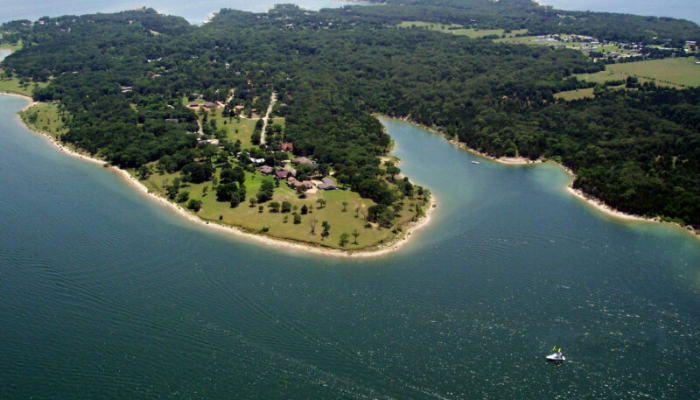
Lake Texoma should be capitalized whenever it is used as the official name of the well-known reservoir located on the border of Texas and Oklahoma. While this may seem like a simple grammar question, many writers, students, bloggers, and business professionals often wonder whether geographical names follow special capitalization rules. Understanding when and why to capitalize place names is essential for maintaining professional, accurate, and grammatically correct writing.
Capitalization serves an important role in English because it helps readers distinguish between common nouns and proper nouns. Since Lake Texoma is a specific geographic location, it follows the standard conventions applied to named places. In this comprehensive guide, we will explore the grammatical principles behind capitalization, explain why Lake Texoma should be capitalized, examine common mistakes, and provide practical examples that can improve your writing skills.
Understanding Why Lake Texoma Should Be Capitalized
The primary reason Lake Texoma should be capitalized is that it is a proper noun. Proper nouns identify specific people, places, organizations, or things and always begin with capital letters. In contrast, common nouns refer to general categories and are typically written in lowercase unless they begin a sentence.
For example, the word “lake” by itself is a common noun because it refers to any lake in general. However, when combined with “Texoma” to form the official name of a specific location, the phrase becomes a proper noun. Therefore, both words should be capitalized. This follows the same grammatical pattern as names such as Lake Michigan, Lake Superior, and Lake Tahoe.
Another reason capitalization matters is clarity. Readers instantly recognize capitalized place names as specific destinations rather than generic geographic features. Using proper capitalization demonstrates attention to detail and strengthens the credibility of your writing, whether you are creating academic papers, travel blogs, news articles, or business communications.
In modern publishing, capitalization standards are especially important because search engines, editors, and readers expect consistency. Correctly writing “Lake Texoma” helps maintain professional standards and ensures your content aligns with accepted grammar conventions.
The Grammar Rules Behind Geographic Names
Geographic names follow established capitalization rules within English grammar. Any officially recognized location should generally be capitalized because it functions as a proper noun. This rule applies to countries, states, cities, rivers, mountains, oceans, and lakes.
For instance, names such as the Mississippi River, Pacific Ocean, Rocky Mountains, and Grand Canyon all require capitalization. Lake Texoma belongs to this same category. Since it identifies a unique and recognized place, every major word within the name should begin with a capital letter.
Writers sometimes become confused when a geographical term appears before a name. In the phrase “Lake Texoma,” the word “Lake” is part of the official name. Therefore, it must be capitalized. The same principle applies to names such as Mount Everest and Gulf of Mexico. The descriptive term becomes part of the proper noun and receives capitalization.
Style guides used by journalists, educators, and publishers consistently support this approach. Whether following academic standards, professional editorial guidelines, or general grammar rules, the capitalization of Lake Texoma remains unchanged. Consistency across documents improves readability and reflects a strong understanding of language mechanics.
Understanding these broader grammar principles makes it easier to recognize similar situations. Once writers learn why Lake Texoma should be capitalized, they can confidently apply the same rule to countless other geographic names.
Common Mistakes Writers Make with Lake Texoma
One of the most common mistakes involves writing “lake texoma” entirely in lowercase. Although this may happen accidentally, especially in informal digital communication, it is grammatically incorrect when referring to the actual lake. Lowercase usage diminishes the proper noun status of the location and can make writing appear less polished.
Another frequent error occurs when writers capitalize only one word, such as “Lake texoma” or “lake Texoma.” Both versions are incorrect because the complete official name requires capitalization of each significant word. Since both terms work together to identify a specific place, each should begin with a capital letter.
Writers may also encounter confusion when discussing lakes in general. Consider the difference between these examples:
- We visited Lake Texoma last summer.
- The lake was crowded during the holiday weekend.
In the first sentence, the official name is used, so capitalization is required. In the second sentence, “lake” functions as a common noun referring to the body of water already mentioned, so lowercase is appropriate.
Digital content creators occasionally make capitalization errors when optimizing webpages, social media posts, or marketing materials. While search engine optimization strategies often focus on keywords, grammar rules should not be sacrificed. Proper capitalization contributes to professionalism, user trust, and overall content quality.
The Importance of Correct Capitalization in Professional Writing
Correct capitalization plays a significant role in establishing authority and professionalism. Readers naturally associate accurate grammar with reliability and expertise. Whether you are writing a school essay, a travel guide, or a corporate publication, proper capitalization demonstrates attention to detail.
When discussing destinations such as Lake Texoma, consistent capitalization prevents ambiguity. Readers can immediately identify the location being referenced without confusion. This is especially important in tourism-related content, where clear communication helps audiences understand specific places and attractions.
Professional editors and publishers often evaluate grammar as part of their quality standards. Incorrect capitalization can lead to revisions, reduced credibility, or negative perceptions among readers. By understanding that Lake Texoma should be capitalized, writers can avoid these issues and produce more polished content.
Search engines also favor high-quality writing experiences. While capitalization itself is not a direct ranking factor, content that follows grammatical best practices tends to appear more trustworthy and user-friendly. As a result, maintaining proper capitalization can indirectly support content performance and reader engagement.
Ultimately, correct capitalization is not merely a technical rule—it is a communication tool that enhances clarity, professionalism, and reader confidence.
Practical Examples of Using Lake Texoma Correctly
Learning through examples is one of the most effective ways to master capitalization rules. Seeing the phrase used in different contexts helps reinforce the principle that Lake Texoma should always be capitalized when it refers to the official geographic name.
Here are several correct examples:
- Our family spent the weekend at Lake Texoma.
- Fishing tournaments are popular at Lake Texoma throughout the year.
- The sunset over Lake Texoma attracted photographers from across the region.
- Many visitors travel to Lake Texoma for boating and recreation.
- The shoreline of Lake Texoma offers numerous camping opportunities.
Notice that every example capitalizes both words because the official place name is being used. This remains true regardless of where the phrase appears in the sentence.
Compare these with references that use common nouns:
- The lake was unusually calm this morning.
- We explored several lakes during our road trip.
- A lake can support diverse wildlife habitats.
In these examples, the word “lake” does not identify a specific location and therefore remains lowercase. Distinguishing between proper nouns and common nouns is the key to applying capitalization correctly.
With practice, recognizing the difference becomes second nature. Writers who consistently follow these rules improve the accuracy and professionalism of their work while avoiding common grammatical mistakes.
Conclusion
The answer is clear: Lake Texoma should be capitalized because it is the official name of a specific geographic location. As a proper noun, both “Lake” and “Texoma” require capital letters whenever the full name is used. This rule aligns with standard English grammar principles governing named places, landmarks, and geographic features.
Understanding the distinction between proper nouns and common nouns helps writers avoid errors and maintain consistency. Whether you are creating academic content, travel articles, business documents, or online publications, proper capitalization enhances clarity, credibility, and professionalism. By applying the guidelines discussed in this article, you can confidently use Lake Texoma correctly in any writing situation.
Frequently Asked Questions (FAQs)
1. Should Lake Texoma be capitalized?
Yes. Lake Texoma is a proper noun and should always be capitalized when referring to the official name of the lake.
2. Why is Lake Texoma considered a proper noun?
It identifies a specific geographic location rather than a general category of lakes.
3. Is it ever correct to write lake texoma in lowercase?
No, not when referring to the official name. The proper name requires capitalization.
4. Should both words in Lake Texoma be capitalized?
Yes. Both “Lake” and “Texoma” are part of the official name and should be capitalized.
5. What grammar rule applies to Lake Texoma?
The rule states that proper nouns, including named geographic locations, must be capitalized.
6. Are all lake names capitalized?
Yes, official lake names such as Lake Tahoe, Lake Michigan, and Lake Texoma are capitalized.
7. Can I use lowercase when referring to the lake after mentioning its name?
Yes. After identifying Lake Texoma, you may later write “the lake” in lowercase because it becomes a common noun reference.
8. Does AP Style capitalize Lake Texoma?
Yes. AP Style capitalizes official geographic names, including Lake Texoma.
9. Does capitalization affect SEO?
While capitalization is not a direct ranking factor, proper grammar improves readability, professionalism, and user experience.
10. How can I remember when to capitalize Lake Texoma?
If the phrase refers to the specific reservoir on the Texas-Oklahoma border, capitalize both words because it is a proper noun.